
Wide Area Networks: Scaling Communications Across Locations
July 1st, 2026 by admin
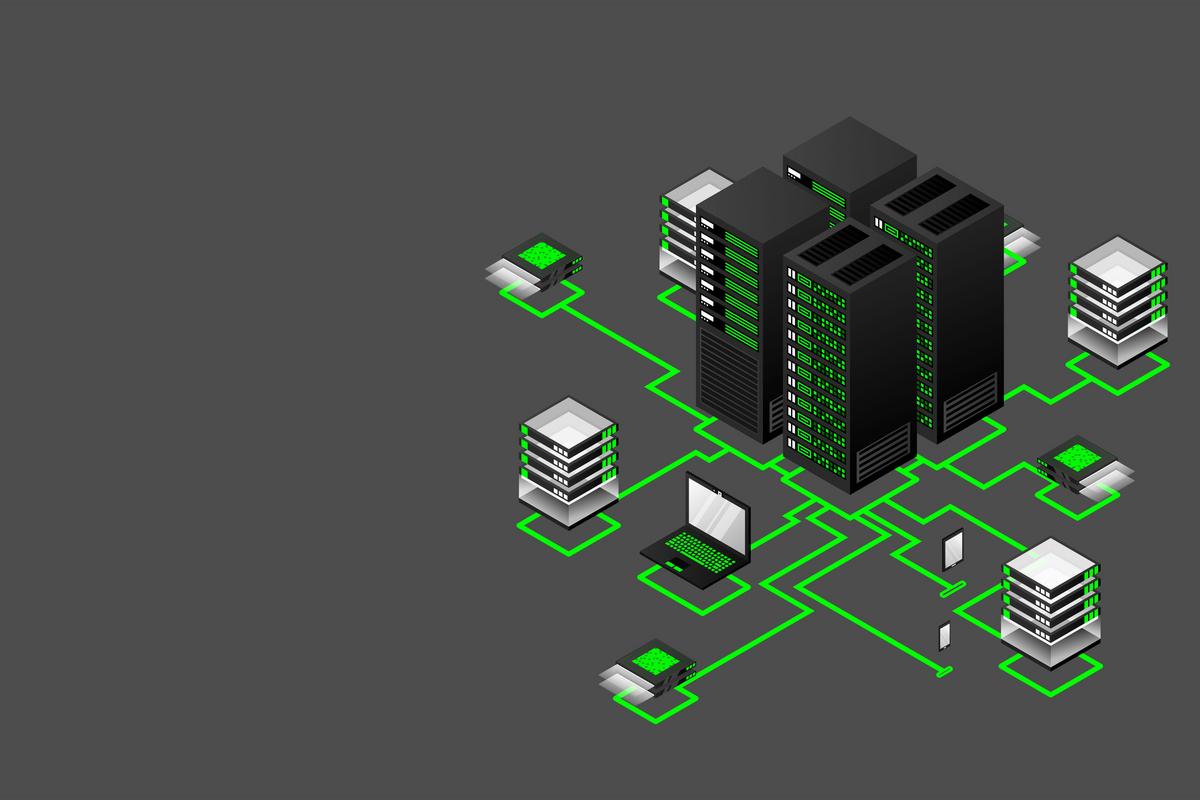
Understanding Wide Area Networks for Multi-Location Businesses
As businesses expand beyond a single office, maintaining seamless communication and data access across multiple locations becomes critical. Wide Area Networks (WANs) serve as the technological backbone that connects geographically dispersed offices, enabling employees to collaborate, access centralized resources, and maintain productivity regardless of their physical location.
For organizations operating across Central and Northern California or beyond, implementing a robust WAN infrastructure is essential for operational efficiency and competitive advantage. Whether you're managing two offices or twenty, understanding WAN technology helps ensure your business communications scale effectively with your growth.
What Is a Wide Area Network?
A Wide Area Network is a telecommunications network that extends over a large geographical area, connecting multiple Local Area Networks (LANs) across different locations. Unlike LANs, which typically cover a single building or campus, WANs can span cities, states, or even countries, allowing organizations to maintain a unified network infrastructure.
Modern WANs utilize various connection technologies to link remote sites, including:
- Dedicated leased lines for guaranteed bandwidth and security
- MPLS (Multiprotocol Label Switching) networks for reliable, quality-of-service connections
- VPN (Virtual Private Network) connections over the internet for cost-effective security
- SD-WAN (Software-Defined WAN) for intelligent traffic routing and optimization
- Fiber optic connections for high-speed, low-latency communications
The Business Case for Wide Area Networks
Organizations with multiple locations face unique challenges that WANs are specifically designed to address. Understanding these benefits helps justify the investment in proper WAN infrastructure.
Centralized Data Management
WANs enable businesses to maintain centralized databases, applications, and file storage that all locations can access securely. This eliminates data silos, reduces redundancy, and ensures every office works with the most current information. Employees in San Jose can access the same customer records as colleagues in San Francisco, maintaining consistency across your organization.
Unified Communications
With a properly configured WAN, businesses can implement unified communications platforms that integrate voice, video, and messaging across all locations. Phone systems can be centralized, allowing inter-office calling without long-distance charges and presenting a single organizational identity to customers regardless of which location they contact.
Resource Optimization
Rather than duplicating expensive IT infrastructure at every location, WANs allow organizations to centralize servers, storage systems, and specialized equipment at one or a few strategic sites. Remote offices can access these resources as if they were local, reducing capital expenditures and simplifying maintenance.
Business Continuity
WANs provide the foundation for effective disaster recovery and business continuity strategies. Data can be replicated across multiple sites, ensuring that if one location experiences an outage, operations can continue from another. This geographical distribution of resources significantly reduces organizational risk.
Key Technologies Powering Modern WANs
SD-WAN: The Next Generation of Wide Area Networking
Software-Defined WAN technology represents a significant evolution in how businesses manage multi-location connectivity. SD-WAN uses software to intelligently route traffic across multiple connection types, automatically selecting the best path based on real-time network conditions, application requirements, and business policies.
SD-WAN benefits include:
- Reduced reliance on expensive MPLS circuits by leveraging internet connections
- Application-aware routing that prioritizes critical business traffic
- Simplified management through centralized configuration and monitoring
- Improved performance for cloud-based applications
- Enhanced security with integrated encryption and firewall capabilities
MPLS Networks
MPLS remains a trusted WAN technology for organizations requiring guaranteed performance and reliability. By creating private pathways through carrier networks, MPLS provides predictable latency, bandwidth guarantees, and built-in quality of service. While typically more expensive than internet-based alternatives, MPLS excels for applications requiring consistent performance, such as VoIP, video conferencing, and real-time data replication.
Cloud-Based WAN Solutions
As businesses increasingly adopt cloud services, cloud technologies are transforming WAN architecture. Rather than routing all traffic through a central data center, modern WANs enable direct internet breakout at branch locations for cloud application access, reducing latency and improving user experience for services like Microsoft 365, Salesforce, and video conferencing platforms.
Implementing a WAN: Planning Considerations
Assessing Your Bandwidth Requirements
Proper WAN implementation begins with understanding your organization's bandwidth needs. Consider current and projected usage patterns for:
- Voice and video communications
- Data backup and replication
- Cloud application access
- File transfers between locations
- Number of simultaneous users at each site
Underestimating bandwidth requirements leads to poor performance and user frustration, while overprovisioning wastes resources. Experienced IT professionals can help you right-size your WAN connections based on actual business needs.
Security Across the WAN
Extending your network across multiple locations creates additional security considerations. Each connection point represents a potential vulnerability that must be protected. Comprehensive network security for WANs includes:
- End-to-end encryption for data in transit
- Next-generation firewalls at each location
- Intrusion detection and prevention systems
- Secure access controls and authentication
- Regular security audits and updates
- Segmentation to isolate sensitive data
Reliability and Redundancy
Business-critical WANs should incorporate redundancy to prevent single points of failure. This might include:
- Dual internet connections from different providers
- Backup connections using alternative technologies
- Automatic failover mechanisms
- Geographic distribution of critical resources
The level of redundancy should match your organization's tolerance for downtime and the criticality of inter-location communications to your operations.
WAN Management and Monitoring
Deploying a WAN is only the beginning—ongoing management ensures optimal performance and rapid problem resolution. Effective WAN management includes:
Proactive Monitoring
Continuous monitoring of network performance, bandwidth utilization, and connection health allows IT teams to identify and address issues before they impact users. Modern monitoring tools provide real-time visibility into WAN performance across all locations.
Traffic Management
Quality of Service (QoS) policies ensure that critical applications receive the bandwidth and priority they need, even during periods of network congestion. Proper traffic management prevents bandwidth-intensive activities from degrading the performance of essential business applications.
Centralized Configuration
Managing configurations across multiple locations individually is time-consuming and error-prone. Centralized management platforms allow administrators to deploy changes, updates, and security policies across the entire WAN from a single interface, ensuring consistency and reducing administrative overhead.
Choosing the Right WAN Solution for Your Business
The optimal WAN architecture varies based on your organization's specific requirements, existing infrastructure, budget constraints, and growth plans. Factors to consider include:
- Number and geographic distribution of locations
- Types of applications and services used
- Performance and reliability requirements
- Security and compliance needs
- Available connection options at each site
- IT staff expertise and resources
- Budget for implementation and ongoing costs
Many organizations benefit from hybrid WAN approaches that combine multiple technologies, using MPLS for critical traffic while leveraging internet connections for less sensitive applications. This balanced approach optimizes both performance and cost.
The Future of Wide Area Networking
WAN technology continues to evolve rapidly, driven by increasing adoption of cloud services, remote work trends, and emerging technologies. The shift toward cloud-first architectures is fundamentally changing WAN design, with more organizations adopting cloud-delivered security services and direct internet access at branch locations.
Artificial intelligence and machine learning are being integrated into WAN management platforms, enabling predictive analytics, automated troubleshooting, and self-optimizing networks that continuously adapt to changing conditions.
5G wireless technology promises to provide high-speed WAN connectivity in areas where traditional wired services are unavailable or cost-prohibitive, opening new possibilities for rapid site deployment and mobile workforce support.
Partner with Experts for Your WAN Implementation
Designing, implementing, and managing a Wide Area Network requires specialized expertise across multiple technology domains. From selecting appropriate connection types and designing resilient architectures to configuring security policies and ongoing monitoring, successful WANs depend on experienced professionals who understand both the technology and your business requirements.
With over five decades of experience serving businesses across Central and Northern California, TOTLCOM combines Silicon Valley expertise with personal, local service to help organizations build WAN infrastructures that support their growth and operational needs. Our comprehensive managed IT services ensure your WAN remains optimized, secure, and aligned with your business objectives.
Whether you're connecting your first remote office or optimizing an existing multi-location network, the right WAN solution can transform how your organization communicates and collaborates. Contact us today to discuss your wide area networking needs and discover how we can help your business thrive through reliable, scalable communications infrastructure.
Posted in: Network Security