Weave for Dental and Medical Practices: What It Replaces, What It Costs
November 1st, 2026

Walk into most dental or medical practices and count the systems the front desk touches in a single morning. There is the phone system, the practice management platform or EHR, the appointment reminder service, the review request tool, the digital intake forms, the fax line, and the payment portal. Each one has its own bill, its own login, and its own support number. The staff member answering the phone is often copying the same patient details between three of them.
Weave is sold as the answer to that clutter: one cloud phone system with patient communication tools built in, connected to the practice management software. That description is broadly accurate. What often gets lost in the sales conversation is a plain accounting of what the platform replaces, what it does not, and what the monthly number looks like after implementation, hardware, and add-ons.
What Weave Actually Is
Weave is a cloud phone system designed for healthcare practices, with patient engagement features attached to it. The phone side covers numbers, extensions, an auto-attendant, call routing, voicemail transcription, call recording, and analytics. The patient side covers two-way texting, appointment reminders, missed-call auto-text, review requests, digital forms, online scheduling, fax, and payments.
The feature that separates it from a generic business phone system is the integration with the practice management system. When a patient calls, the screen can show the patient record, last visit, balance, and family members pulled from the platform the practice already uses. Calls and texts can be attached to the patient record instead of living in a separate inbox.
That integration is also where the first due-diligence question belongs. Weave supports many dental and medical platforms, but not every version of every platform, and not every integration is equally deep. A practice running an older on-premises server or a niche specialty EHR should get the integration confirmed in writing before signing anything.
What Weave Replaces
1. The Phone System Itself
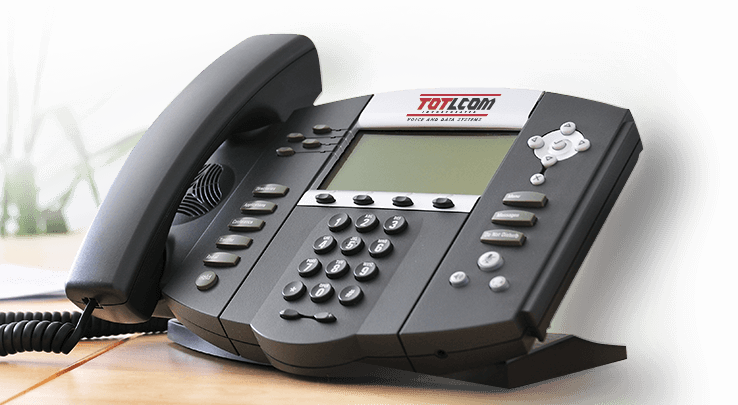
This is a full replacement, not an overlay. Existing numbers are ported to Weave, and calls run over the internet. The old PBX, hosted VoIP service, or phone lines go away. That also means the desk phones become Weave's devices, unless the practice chooses a softphone or keeps compatible hardware.
2. The Standalone Reminder and Texting Service
Most practices pay a separate vendor to send appointment reminders and confirmation texts. Weave bundles that function and adds two-way texting, so a patient can reply to a reminder and the front desk sees the answer in the same thread. For practices paying for a reminder service, a texting tool, and a missed-call service separately, this is usually the largest consolidation.
3. The Review and Reputation Tool
Post-visit review requests are part of the platform. Practices that pay a dedicated reputation vendor should compare the feature depth carefully. Weave's version covers the common workflow, but a practice running sophisticated multi-location review campaigns may find it simpler than what it replaces.
4. Digital Forms and Online Scheduling
Intake forms and online scheduling are available on higher tiers. Practices still handing out clipboards or asking patients to download a separate forms app can retire that process, but these features are not always included in the entry plan.
5. Fax and Payment Reminders
Weave offers fax and payment links. Neither is the reason to buy the platform, but both remove another vendor and another login from the front desk's day. Payment processing carries its own transaction fees, which should be quoted separately.
6. Manual Callbacks
Missed-call auto-text sends a message to anyone who called and hung up, which turns a lost call into a text conversation. For a busy practice, that is a quieter improvement than it sounds, because a ringing phone that nobody can answer is a patient who calls the next practice on the list.
What Weave Does Not Replace
It is worth saying plainly, because sales decks blur the line: Weave is not an EHR or practice management system. It does not replace clinical charting, billing, claims, or the system of record. It sits on top of that platform and communicates with it.
It also does not replace IT support, cybersecurity, backup, or the network itself. A cloud phone system depends on a stable internet connection, and it does nothing about phishing, ransomware, or a server that has not been patched since last year. Practices that assume the phone vendor is covering technology risk are making an expensive assumption.
What Weave Costs
Weave does not publish a complete rate card, so any single number should be treated as a starting point rather than a quote. Published 2026 reviews put the entry plan at roughly $249 per month per location. Practices with multiple providers, several locations, and features such as scheduling, forms, and payments commonly report landing between $400 and $900 per location per month, depending on the configuration.
The subscription is only part of the total. The rest of the cost usually includes:
- Implementation and setup. A one-time fee is common, and published figures put it near $750 for a standard practice. Multi-location deployments cost more.
- Desk phones. Weave sells its own handsets, typically around $130 each. A practice with eight exam rooms and a front desk needs enough devices for the people who actually answer calls, not one per employee.
- Number porting. Usually included, but the timing matters. Canceling the old carrier before the port completes can put the practice's main number at risk.
- Add-on modules. Online scheduling, digital forms, AI call features, additional text volume, and extra phone numbers can each move the monthly total.
- Internet and network upgrades. Cloud phones need bandwidth and uptime. A practice on an aging DSL line or a single consumer-grade router should budget for a business connection, a backup path, and battery backup for the network gear.
- Contract terms. Annual and multi-year agreements are standard. Early termination and number-release terms belong on the checklist before signature.
Medical practices should also confirm the business associate agreement and how the platform handles protected health information. Texting patients is not automatically compliant just because the vendor is healthcare-focused; consent, message content, and secure links all matter.
The Number That Actually Matters
A practice should not compare Weave's monthly fee to the phone bill alone. The fair comparison is the total cost of the current communication stack over twelve months: phone lines and long distance, the reminder service, the texting tool, the review platform, the fax service, the forms tool, and the staff hours spent moving information between them.
If that stack costs $700 a month and Weave lands at $850, the case for switching is workflow, consolidation, and fewer dropped calls, not savings. If the stack costs $1,100, Weave may pay for itself. Either conclusion is useful. What is not useful is a comparison that counts only the phone bill and ignores the four subscriptions sitting next to it.
There is also a revenue side. Fewer missed calls, fewer no-shows, and more reviews are real financial effects, but they are estimates until measured. Set a baseline before cutover: call answer rate, abandoned calls, no-show rate, review volume, and front-desk hours spent on the phone. Then check those numbers at 30, 60, and 90 days.
Where Practices Get Surprised
- Integration gaps. The demo runs on a mainstream platform. Confirm the practice's exact software and version are supported, especially for medical EHRs and on-premises dental systems.
- Contract length and auto-renewal. A discount on a three-year term is still a three-year commitment. Know the notice window for renewal.
- Porting risk. Keep the old phone service active until the port is confirmed, and get the release terms in writing.
- Workflow change. The technology cutover takes days. Retraining the front desk to use one system instead of five takes longer. Plan for it.
- Internet dependency. A cloud phone system without a backup connection turns a cable outage into a closed front desk.
- Support experience. Ask for the support model, response targets, and escalation path. Reviews of any vendor vary, and the practice's own specialty and size are the best filter.
How to Compare It Fairly
- Build a twelve-month cost inventory of every communication tool and phone line the practice pays for today.
- Separate required features from nice-to-haves. A single-provider practice may not need multi-location analytics; a growing group probably does.
- Ask for an itemized quote. Per location, per provider, text volume, hardware, setup, taxes and fees, and contract term. A single monthly figure hides too much.
- Verify the integration with the practice's exact software and version, in writing.
- Ask for references from practices of similar specialty and size, not a generic testimonial page.
- Define success metrics before signing, so the renewal decision is based on evidence rather than impressions.
Practices replacing an aging phone system should also read our overview of modernizing from a traditional PBX to a cloud phone system. The cutover questions are similar whether the platform is Weave or another hosted service.
Who Weave Fits, and Who It Does Not
Weave tends to fit multi-location dental groups, practices with a front desk drowning in disconnected tools, and offices already planning to replace an old phone system. The consolidation case is strongest when the practice will actually use texting, reminders, and review requests, not just the dial tone.
It fits less well for a practice that only needs phones, a single-provider office with low call volume, or a practice that recently signed a multi-year phone contract. It is also a poor fit for anyone expecting the platform to replace IT support or security. Those remain separate problems, and for many practices they are the more urgent ones.
Bottom Line
Weave is a legitimate consolidation product with a real integration advantage for dental and medical practices. The useful question is not "what does Weave cost" in isolation, but "what does our current stack cost, what does the difference buy us, and what is the exit plan if it does not work." Get an itemized quote, verify the integration, protect the phone numbers during porting, and measure the results against a baseline.
TOTLCOM helps practices across Northern California evaluate business phone systems, internet connectivity, and the IT infrastructure underneath them. If you are comparing Weave or another platform against your current setup, we can help you inventory what you pay for today and pressure-test the quote, and you can see the Weave platform on our partner page. Explore our business phone system articles, learn about our managed IT services, or contact us to start with a review of your current phone and communication costs.
Posted in: Business Phone Systems