Phone Systems Modernization: From Traditional PBX to Cloud
September 15th, 2026

The Evolution of Business Phone Systems
For decades, traditional Private Branch Exchange (PBX) systems served as the backbone of business communications. These on-premise hardware solutions required significant upfront investment, dedicated physical space, and ongoing maintenance. However, the telecommunications landscape has undergone a dramatic transformation, and cloud-based phone systems now offer businesses unprecedented flexibility, scalability, and cost savings.
If your organization is still relying on a legacy PBX system, understanding the benefits of modernization can help you make an informed decision about your communication infrastructure. This guide explores the key differences between traditional and cloud phone systems, and why making the transition might be one of the smartest technology investments for your business.
Understanding Traditional PBX Systems
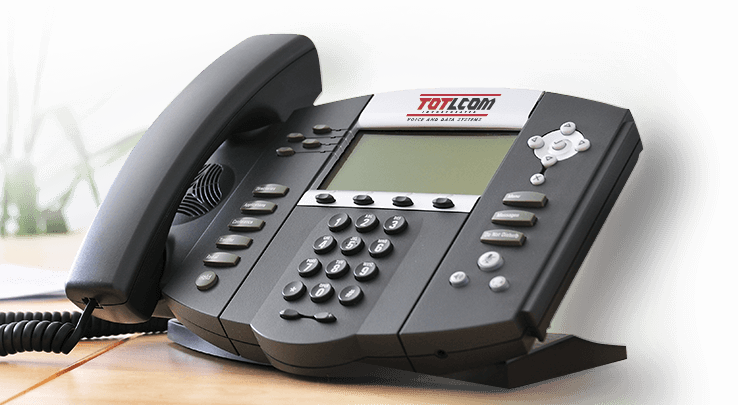
Traditional PBX systems operate through physical hardware installed at your business location. These systems manage call routing, voicemail, conferencing, and other telephony features through equipment that sits in your server room or phone closet.
Limitations of Legacy Phone Systems
- High Upfront Costs: Traditional PBX systems require substantial capital investment in hardware, installation, and infrastructure.
- Maintenance Requirements: On-premise equipment needs regular maintenance, repairs, and eventual replacement as technology becomes obsolete.
- Limited Scalability: Adding new lines or extensions often requires purchasing additional hardware and complex reconfiguration.
- Lack of Remote Capabilities: Traditional systems weren't designed for remote work, making it difficult to support distributed teams.
- Geographic Restrictions: Users typically need to be physically present at the office to access full phone system features.
- Vulnerability to Disasters: Physical damage to equipment can completely disable your phone system with no backup option.
The Cloud Phone System Advantage
Cloud-based phone systems, also known as Voice over Internet Protocol (VoIP) or hosted PBX solutions, operate entirely through internet connectivity. Major platforms like Ring Central, GoTo, Zoom, and Microsoft TEAMS have revolutionized how businesses handle communications.
Key Benefits of Cloud Phone Systems
Reduced Costs and Predictable Expenses
Cloud phone systems eliminate the need for expensive on-premise hardware and convert telecommunications from a capital expenditure to an operational expense. You pay a predictable monthly fee per user, which includes system maintenance, upgrades, and support. This subscription model makes budgeting easier and frees up capital for other business priorities.
Enhanced Flexibility and Mobility
Modern cloud phone systems enable employees to make and receive business calls from anywhere with internet connectivity. Users can access full phone system features through desktop applications, mobile apps, or web browsers. This flexibility is essential for supporting remote work, field teams, and multi-location businesses.
Seamless Scalability
Adding or removing users is as simple as adjusting your subscription. There's no need to purchase additional hardware or wait for technician visits. This makes cloud systems ideal for businesses experiencing growth, seasonal fluctuations, or organizational changes.
Advanced Features and Integration
Cloud phone platforms offer sophisticated features that would be prohibitively expensive with traditional systems, including:
- Video conferencing and screen sharing
- Team messaging and collaboration tools
- Call analytics and reporting
- Auto-attendant and intelligent call routing
- Integration with CRM and business applications
- Voicemail-to-email transcription
- Mobile app access with full feature parity
Built-in Redundancy and Reliability
Cloud phone systems provide automatic failover and redundancy. If your internet connection fails, calls can be automatically routed to mobile devices or alternate locations. Cloud providers maintain multiple data centers to ensure continuous service availability.
Making the Transition: What to Consider
While the benefits of cloud phone systems are compelling, successful migration requires careful planning and execution.
Internet Connectivity Requirements
Cloud phone systems depend on reliable, high-speed internet connectivity. Before transitioning, assess your current network infrastructure to ensure it can support voice traffic without compromising quality. You may need to upgrade your internet bandwidth or implement Quality of Service (QoS) configurations to prioritize voice traffic.
Number Portability
Most businesses want to retain their existing phone numbers during the transition. Work with experienced providers who can manage the number porting process smoothly, ensuring minimal disruption to your operations.
User Training and Adoption
Introducing new technology requires proper training to ensure your team can leverage all available features. Choose a provider that offers comprehensive onboarding and ongoing support to facilitate smooth adoption.
Security Considerations
Cloud phone systems must integrate with your overall network security strategy. Ensure your provider implements encryption, secure authentication, and compliance with relevant industry standards. ISO 27001 compliant providers demonstrate a commitment to information security best practices.
Hybrid Approaches: The Best of Both Worlds
For some organizations, a hybrid approach makes sense during the transition period. You can maintain certain legacy equipment while gradually migrating users to cloud platforms. This phased approach minimizes disruption and allows you to test cloud functionality before full commitment.
Hybrid solutions can also address specific business needs, such as maintaining analog lines for fax machines, elevator phones, or alarm systems while moving voice communications to the cloud.
Choosing the Right Cloud Phone Platform
Not all cloud phone systems are created equal. When evaluating providers, consider:
- Feature Set: Does the platform offer all the capabilities your business needs, both now and in the future?
- Reliability: What uptime guarantees does the provider offer, and what is their track record?
- Integration: How well does the system integrate with your existing business applications?
- Support: What level of technical support is included, and how accessible is it?
- Scalability: Can the system grow with your organization without requiring migration to a different platform?
Working with experienced telecommunications partners who represent multiple major manufacturers and cloud carriers provides access to the best solution for your specific needs, rather than being limited to a single vendor's offerings.
The ROI of Phone System Modernization
Organizations that transition from traditional PBX to cloud phone systems typically experience return on investment through several channels:
- Reduced hardware costs and elimination of maintenance contracts
- Lower telecommunications expenses through competitive VoIP rates
- Increased productivity through enhanced collaboration features
- Improved customer service with advanced call routing and analytics
- Greater workforce flexibility supporting remote and hybrid work models
- Reduced downtime and business continuity improvements
Many businesses recover their migration costs within the first year through operational savings alone, while also benefiting from improved functionality and user experience.
Planning Your Phone System Modernization
Transitioning from traditional PBX to cloud-based communications represents a significant opportunity to improve your business operations. Success requires careful planning, the right technology partner, and a phased implementation approach that minimizes disruption.
Start by assessing your current phone system's limitations and identifying the specific business outcomes you want to achieve. Consider how improved communications capabilities could support your strategic objectives, whether that's supporting remote work, improving customer service, or reducing operational costs.
The right phone systems solution should align with your overall technology strategy, integrate seamlessly with your existing infrastructure, and be supported by a partner who understands your business needs.
Take the Next Step Toward Modern Communications
Phone system modernization doesn't have to be overwhelming. With over five decades of experience providing telecommunications solutions to businesses across Northern California, TOTLCOM combines Silicon Valley expertise with personal, local customer service to help organizations transition smoothly to cloud-based communications.
Whether you're ready to completely replace your legacy PBX system or want to explore hybrid options, our team can assess your needs, recommend the best solution from leading providers like Mitel, Ring Central, GoTo, Zoom, and TEAMS, and manage the entire implementation process.
Ready to explore how cloud phone systems could benefit your organization? Contact us to discuss your communication needs and discover the right modernization path for your business. Our rapid, friendly, expert technical support ensures your transition is smooth and your team is supported every step of the way.
Posted in: Business Phone Systems